
Prevention: The Key to Lasting Oral Health
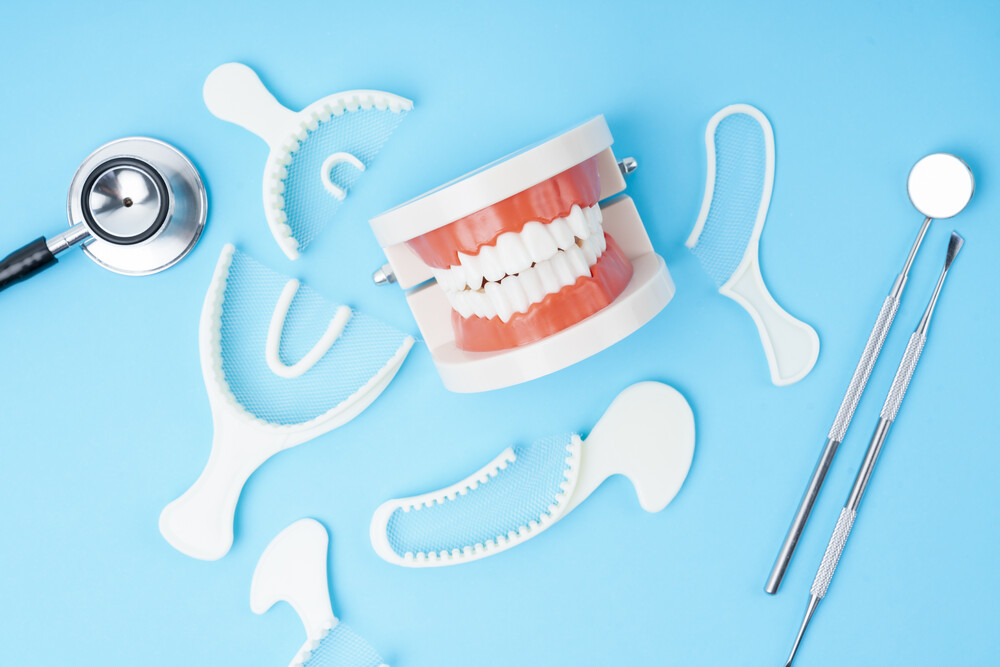
Every smile tells a story—a story of careful daily care and thoughtful prevention. At Lady Bird Dental, we champion a proactive approach where regular exams, proper brushing techniques, and flossing form the backbone of long-term oral health. By focusing on prevention rather than reactive treatments, patients are empowered to maintain optimal dental well-being over time. Preventive dentistry isn’t just about avoiding cavities; it’s a comprehensive strategy that enhances overall wellness. Simple routines like routine check-ups and daily hygiene practices work together to detect issues before they become problems. This proactive approach not only safeguards your smile but also builds confidence in the long-term benefits of maintaining good oral habits. As you explore the rest of this article, you’ll discover practical advice for integrating these preventive measures into your everyday life. Whether it’s adopting a new brushing technique or understanding how nutrition influences dental health, we’re here to guide you on your journey toward lasting oral wellness without overwhelming you with industry jargon or fear-based language. Together, let’s embrace prevention as the key to a healthy smile and overall well-being. Understanding Preventive Dental Practices Preventive dentistry encompasses several practices designed to keep teeth and gums in optimal condition. These measures are essential for maintaining oral health and preventing common dental issues such as cavities, gum disease, and tooth loss. By incorporating these habits into your daily routine, you can significantly reduce the risk of future problems. Regular Dental Check-ups: Routine check-ups with a dentist or hygienist are fundamental to preventive dentistry. During these appointments, professionals thoroughly clean your teeth and examine them for signs of decay or disease. Early detection allows for prompt treatment, preventing minor issues from escalating into more serious conditions. These visits also provide an opportunity to discuss any concerns or questions you may have regarding your oral health. Proper Brushing Techniques: Effective brushing is crucial for removing plaque and food particles that can lead to tooth decay and gum disease. Here are some tips for optimal brushing: Brush at least twice a day, preferably after meals. Use a soft-bristled toothbrush or an electric toothbrush with round-ended bristles. Apply fluoride toothpaste to your brush and hold it at a 45-degree angle against the gum line. Gently move the brush in small circular motions, covering all surfaces of each tooth. Brush for at least two minutes, ensuring that you reach every part of your mouth, including the back teeth and tongue. Flossing: Flossing is an essential part of any oral hygiene routine. It removes plaque and food particles from between the teeth and under the gum line where a toothbrush can’t reach. Daily flossing helps prevent cavities and gum disease by keeping these hard-to-reach areas clean. Fluoride Treatments: Fluoride is a mineral that strengthens tooth enamel, making it more resistant to decay. Many dental products, including toothpaste and mouthwash, contain fluoride. Professional fluoride treatments can also be applied during routine check-ups for added protection against cavities. These treatments are particularly beneficial for children, whose teeth are still developing. Dental Sealants: Sealants are thin protective coatings painted onto the chewing surfaces of back teeth (molars and premolars). They create a barrier that prevents food particles and bacteria from settling into the deep grooves and pits on these teeth. Sealants are especially useful for children who may have difficulty cleaning their back teeth effectively. The Role of Diet in Preventive Oral Health Diet plays a significant role in maintaining oral health, influencing both the strength of your teeth and the overall condition of your gums. A balanced diet rich in essential nutrients helps build strong teeth and supports gum tissue. Conversely, a diet high in sugar and acidic foods can lead to tooth decay and enamel erosion. To promote optimal oral health, focus on consuming foods that support dental well-being: Calcium-rich foods: Dairy products like milk, cheese, and yogurt are excellent sources of calcium, which is essential for building strong teeth and bones. Leafy greens such as spinach and kale also provide calcium along with other vital nutrients. Vitamin C: Citrus fruits, strawberries, and bell peppers contain vitamin C, which aids in gum health by promoting collagen production. Phosphorus-rich foods: Proteins like meat, poultry, fish, eggs, and nuts contain phosphorus, an essential mineral for maintaining tooth enamel. Phosphorus works together with calcium to strengthen teeth and prevent decay. While it’s important to include these beneficial foods in your diet, it’s equally crucial to limit or avoid certain substances that can harm oral health: Sugary snacks: Foods high in sugar feed bacteria that produce acids, leading to tooth decay. Opt for healthier alternatives like fresh fruits and vegetables instead. Acidic beverages: Drinks such as soda, sports drinks, and citrus juices contain acids that can erode tooth enamel over time. If you consume these beverages, try drinking water afterward to help rinse away the acid. Incorporating preventive oral health practices into your diet ensures that your teeth stay strong and healthy for years to come. By making mindful food choices and maintaining good eating habits, you can support long-term dental well-being alongside regular check-ups and proper hygiene routines. Innovations in Preventive Dentistry Advancements in dental technology have significantly enhanced preventive care by providing more effective and less invasive treatment options. These innovations allow dentists to detect issues early, ensuring timely intervention before problems escalate. Some of the most impactful developments include: Digital X-rays: Traditional x-rays have been replaced with digital imaging systems that use lower radiation levels while providing clearer images. Digital x-rays enable dentists to identify cavities, infections, and other oral health issues more accurately. Laser treatments: Dental lasers offer precise treatment for various conditions, including gum disease and tooth decay. Laser therapy reduces discomfort during procedures and promotes faster healing compared to traditional methods. These technologies, along with others like intraoral cameras and 3D imaging, have revolutionized preventive dentistry by making it more efficient and patient-friendly. By embracing these advancements, dental professionals can deliver high-quality care that focuses on maintaining oral health rather than merely treating problems as they arise.