Revolutionizing Dental Care: The Advantages of Laser Dentistry
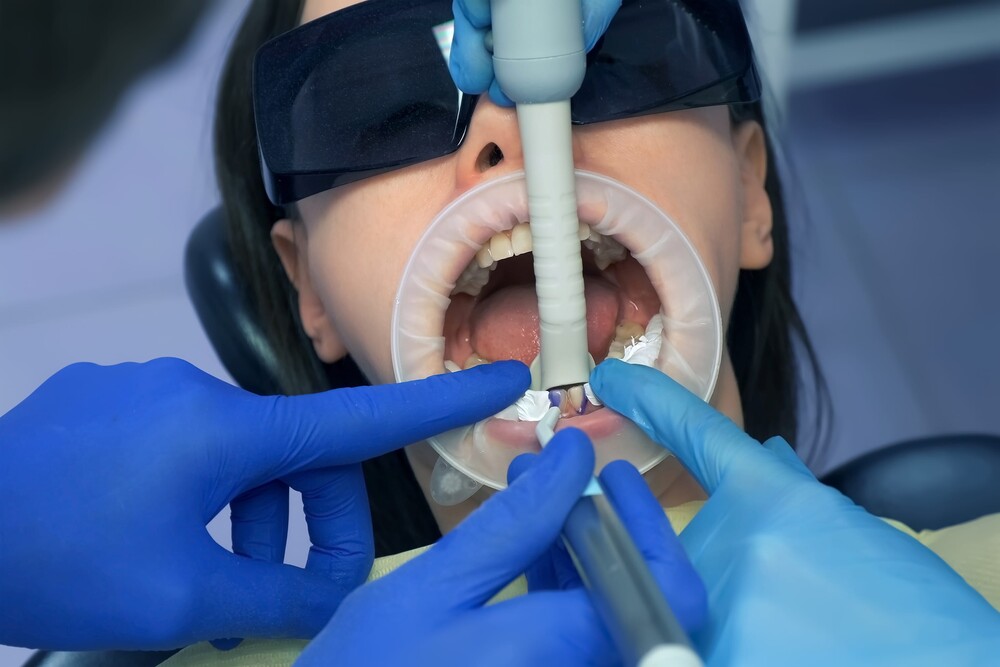
Dental care has long been associated with discomfort, anxiety, and lengthy recovery periods, but recent advancements in laser technology are reshaping the patient experience. At the forefront of this transformation is laser dentistry, a minimally invasive approach that delivers unparalleled precision and efficiency. Unlike traditional methods, which rely on mechanical tools, laser dentistry uses concentrated light to target specific tissues with remarkable accuracy. This innovation has redefined what patients can expect from their dental visits, offering a more comfortable and efficient alternative to conventional treatments. The benefits of laser dentistry extend beyond comfort. The technology minimizes trauma to surrounding tissues, reducing inflammation and promoting faster healing. This is particularly advantageous for procedures involving soft tissue, such as gum reshaping or periodontal therapy, where precision is critical. Additionally, lasers can target decayed areas with exceptional accuracy, preserving more of the healthy tooth structure. These advantages make laser dentistry an attractive option for patients seeking effective and efficient care, while also reducing the need for anesthesia in many cases. As laser dentistry continues to evolve, its impact on patient care becomes increasingly profound. The technology not only enhances treatment outcomes but also aligns with a broader shift toward personalized and patient-centered care. By integrating laser technology into our practice, we are better equipped to meet the diverse needs of our patients, ensuring that each visit is as comfortable and effective as possible. This commitment to innovation reflects our dedication to advancing the standards of dental care. Embracing Modern Technology in Oral Health Laser dentistry represents a significant advancement over traditional methods, offering a range of benefits that enhance patient comfort and treatment outcomes. At its core, laser dentistry involves using focused light beams to perform various dental procedures with unprecedented precision. This technology allows dentists to target specific tissues while minimizing damage to surrounding areas, resulting in reduced bleeding, swelling, and discomfort. One of the key advantages of laser dentistry is its ability to reduce trauma during treatment. Traditional dental tools often cause vibrations and heat, which can lead to tissue damage and prolonged recovery times. In contrast, lasers operate at a much lower level of vibration and heat, making them gentler on both hard and soft tissues. This precision is particularly beneficial for procedures involving the gums or other delicate oral structures. To understand the full scope of laser dentistry’s benefits, it helps to explore some key terms and concepts associated with this technology. Minimally invasive procedures refer to treatments that cause minimal disruption to surrounding tissues. These procedures often result in faster healing times and reduced post-treatment discomfort. Precision treatment involves using tools that can target specific areas with high accuracy, ensuring that only the affected tissue is treated. This level of precision minimizes collateral damage and enhances overall treatment effectiveness. Laser dentistry encompasses a variety of applications, from simple procedures like cavity detection to more complex treatments such as gum reshaping. For instance, lasers can be used to detect cavities in their earliest stages by identifying changes in tooth structure that are not visible to the naked eye. This early detection allows for prompt intervention and prevents the need for more extensive restorative work. In addition to cavity detection, laser dentistry is highly effective in treating gum disease. Traditional methods often involve scaling and root planing, which can be uncomfortable and time-consuming. With lasers, dentists can remove diseased tissue and promote healing with minimal discomfort. This approach not only improves patient comfort but also enhances the overall effectiveness of periodontal therapy. Laser technology is also revolutionizing cosmetic dentistry. Procedures such as gum contouring and crown lengthening can be performed with exceptional precision, resulting in a more aesthetically pleasing smile. Lasers allow for precise reshaping of the gums without causing excessive bleeding or discomfort, making these procedures more appealing to patients seeking cosmetic enhancements. Enhancing Patient Comfort and Recovery One of the most significant benefits of laser dentistry is its ability to enhance patient comfort during and after treatment. Traditional dental tools often cause vibrations and heat that can lead to discomfort and anxiety. Lasers, on the other hand, operate at a much lower level of vibration and heat, making them gentler on both hard and soft tissues. Laser dentistry minimizes tissue damage by targeting specific areas with high accuracy. This precision reduces bleeding, swelling, and post-treatment pain, allowing patients to recover more quickly. For procedures involving soft tissue, such as gum reshaping or periodontal therapy, lasers can significantly reduce the amount of tissue removed while promoting faster healing. The reduced trauma from laser treatments also means that many procedures can be performed without anesthesia. This is particularly beneficial for patients who experience dental anxiety or have a fear of needles. By eliminating the need for anesthesia in some cases, laser dentistry makes dental visits more comfortable and less intimidating for a broader range of patients. In addition to reducing trauma during treatment, lasers promote faster healing by minimizing inflammation. Traditional methods often result in significant swelling and discomfort, which can prolong recovery times. With laser dentistry, the targeted approach reduces tissue damage, allowing for quicker healing and a more comfortable post-treatment experience. The precision of laser treatments ensures that only the affected tissue is addressed, preserving healthy structures around it. This level of accuracy minimizes collateral damage and enhances overall treatment effectiveness. For patients undergoing complex procedures, this can mean a significant reduction in recovery time and discomfort. Laser dentistry offers numerous advantages for patients seeking cosmetic enhancements as well. Procedures such as gum contouring and crown lengthening can be performed with exceptional precision, resulting in a more aesthetically pleasing smile. Lasers allow for precise reshaping of the gums without causing excessive bleeding or discomfort, making these procedures more appealing to patients seeking cosmetic improvements. Precision and Safety: A Closer Look at Laser Dentistry The technical aspects of laser dentistry contribute to its reputation as a safe and effective treatment option. To understand how lasers work in dental care, it helps to explore key terms such as ‘laser