
What Causes Tooth Sensitivity and How to Manage It
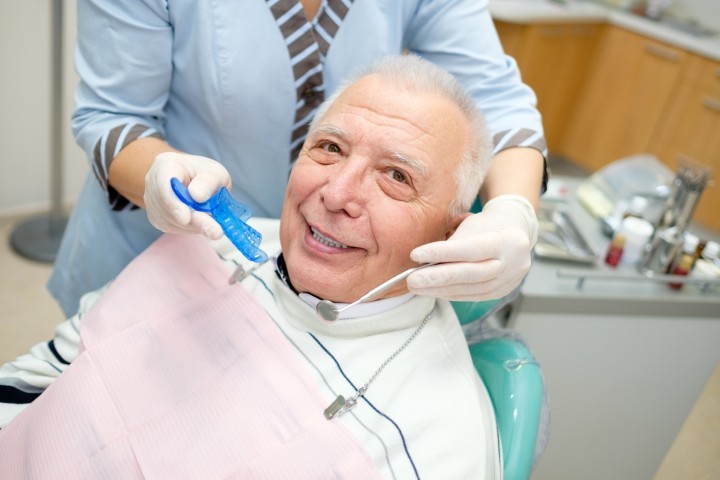
Tooth sensitivity is one of the most common dental concerns patients experience, yet it is often misunderstood or dismissed as a minor inconvenience. For some individuals, it may appear occasionally when drinking something cold or eating something sweet. For others, it can become a persistent issue that interferes with daily comfort and quality of life. While sensitivity may seem like a simple annoyance, it is often a signal that something deeper is happening within the tooth structure. Understanding the causes of tooth sensitivity and how it can be managed is essential for protecting both comfort and long-term oral health. What Is Tooth Sensitivity? Tooth sensitivity occurs when the inner layer of the tooth, known as dentin, becomes exposed. The dentin lies beneath the outer enamel and contains microscopic channels that lead directly to the nerve inside the tooth. When these channels are exposed, external stimuli—such as temperature changes or certain foods—can reach the nerve and trigger discomfort. Unlike a dull toothache, sensitivity is usually sharp and sudden. It may last only a few seconds, but the intensity can make simple activities like eating or drinking unpleasant. Sensitivity is not a condition in itself but rather a symptom of an underlying issue. Identifying the cause is the first step toward effective treatment. The Role of Enamel in Protecting Your Teeth Enamel is the hard outer layer of the tooth that acts as a protective barrier. It shields the inner structures of the tooth from physical and chemical damage. Although enamel is incredibly strong, it is not indestructible. Over time, enamel can wear down due to various factors. When this protective layer becomes thinner, the dentin beneath it becomes more exposed, increasing the likelihood of sensitivity. Unlike other tissues in the body, enamel does not regenerate once it is lost. This makes protecting it essential for maintaining long-term oral health. Common Causes of Tooth Sensitivity Tooth sensitivity can develop for several reasons, and in many cases, multiple factors contribute to the problem. Enamel Wear One of the most common causes of sensitivity is gradual enamel wear. This can result from natural aging, dietary habits, or improper brushing techniques. Frequent exposure to acidic foods and beverages can weaken enamel over time, making it more vulnerable to damage. Gum Recession Gum recession occurs when the gum tissue pulls away from the teeth, exposing the root surfaces. Unlike the crown of the tooth, the root is not covered by enamel. This makes it significantly more sensitive to temperature and external stimuli. Recession can be caused by aggressive brushing, gum disease, or natural changes in the gums over time. Brushing Too Hard Many patients believe that brushing harder will result in cleaner teeth. In reality, excessive force can damage both enamel and gum tissue. Over time, aggressive brushing can lead to enamel erosion and gum recession, both of which contribute to sensitivity. Using a soft-bristled toothbrush and gentle technique is far more effective for protecting the teeth. Acidic Diet Frequent consumption of acidic foods and beverages can weaken enamel. Drinks such as soda, citrus juices, and sports drinks are common contributors. When the enamel is repeatedly exposed to acid, it becomes more susceptible to wear and sensitivity. Teeth Grinding Grinding or clenching the teeth places excessive pressure on the enamel. Over time, this pressure can wear down the surface of the teeth, exposing the dentin beneath. Many people grind their teeth at night without realizing it, making this a hidden cause of sensitivity. Dental Issues Sensitivity may also result from structural problems such as cavities, cracks, or worn restorations. These issues create pathways that allow external stimuli to reach the inner portion of the tooth more easily. When Sensitivity Requires Professional Attention Occasional sensitivity may not be a cause for concern, but persistent or worsening symptoms should be evaluated by a dentist. In some cases, sensitivity may indicate a more serious condition that requires treatment. For example, a cracked tooth can allow bacteria to enter the inner layers of the tooth, potentially leading to infection. Similarly, untreated decay can progress and cause more significant discomfort. Ignoring these symptoms can lead to more complex and costly treatments in the future. How Dentists Treat Tooth Sensitivity Treatment for tooth sensitivity depends on the underlying cause. Dentists begin by identifying the source of the problem and then recommending appropriate solutions. Desensitizing treatments are often used to reduce the transmission of stimuli to the nerve. These treatments help block the pathways within the dentin, reducing discomfort. If gum recession is present, treatments may focus on protecting the exposed root surfaces. In cases where enamel wear is the primary issue, strengthening and protective measures may be recommended. For structural problems such as cavities or cracks, restorative treatments help seal the affected area and prevent further sensitivity. Preventing Tooth Sensitivity Preventing sensitivity begins with protecting the enamel and maintaining healthy gums. Using a soft-bristled toothbrush and gentle technique helps preserve the protective layers of the teeth. Limiting acidic foods and beverages can reduce the risk of enamel erosion. Drinking water after consuming acidic items helps neutralize the oral environment. For patients who grind their teeth, wearing a nightguard can protect against excessive wear. Regular dental visits allow for early detection of issues that may lead to sensitivity. Restoring Comfort Tooth sensitivity can often be managed effectively with the right approach. By addressing the underlying cause and maintaining consistent care, patients can enjoy improved comfort and long-term oral health.
Revolutionizing Dental Care: The Advantages of Laser Dentistry
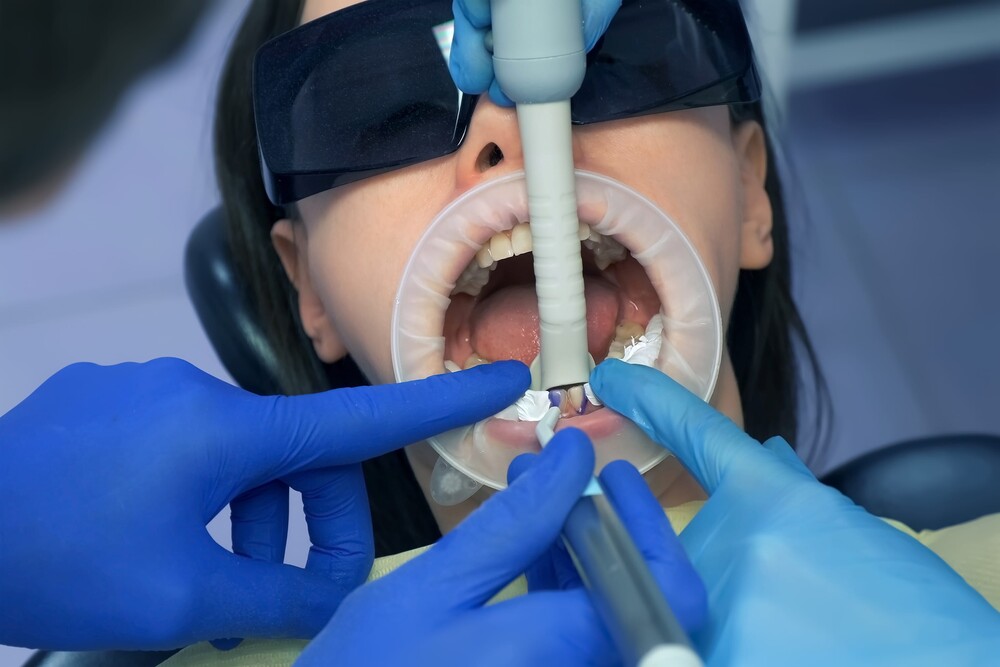
Dental care has long been associated with discomfort, anxiety, and lengthy recovery periods, but recent advancements in laser technology are reshaping the patient experience. At the forefront of this transformation is laser dentistry, a minimally invasive approach that delivers unparalleled precision and efficiency. Unlike traditional methods, which rely on mechanical tools, laser dentistry uses concentrated light to target specific tissues with remarkable accuracy. This innovation has redefined what patients can expect from their dental visits, offering a more comfortable and efficient alternative to conventional treatments. The benefits of laser dentistry extend beyond comfort. The technology minimizes trauma to surrounding tissues, reducing inflammation and promoting faster healing. This is particularly advantageous for procedures involving soft tissue, such as gum reshaping or periodontal therapy, where precision is critical. Additionally, lasers can target decayed areas with exceptional accuracy, preserving more of the healthy tooth structure. These advantages make laser dentistry an attractive option for patients seeking effective and efficient care, while also reducing the need for anesthesia in many cases. As laser dentistry continues to evolve, its impact on patient care becomes increasingly profound. The technology not only enhances treatment outcomes but also aligns with a broader shift toward personalized and patient-centered care. By integrating laser technology into our practice, we are better equipped to meet the diverse needs of our patients, ensuring that each visit is as comfortable and effective as possible. This commitment to innovation reflects our dedication to advancing the standards of dental care. Embracing Modern Technology in Oral Health Laser dentistry represents a significant advancement over traditional methods, offering a range of benefits that enhance patient comfort and treatment outcomes. At its core, laser dentistry involves using focused light beams to perform various dental procedures with unprecedented precision. This technology allows dentists to target specific tissues while minimizing damage to surrounding areas, resulting in reduced bleeding, swelling, and discomfort. One of the key advantages of laser dentistry is its ability to reduce trauma during treatment. Traditional dental tools often cause vibrations and heat, which can lead to tissue damage and prolonged recovery times. In contrast, lasers operate at a much lower level of vibration and heat, making them gentler on both hard and soft tissues. This precision is particularly beneficial for procedures involving the gums or other delicate oral structures. To understand the full scope of laser dentistry’s benefits, it helps to explore some key terms and concepts associated with this technology. Minimally invasive procedures refer to treatments that cause minimal disruption to surrounding tissues. These procedures often result in faster healing times and reduced post-treatment discomfort. Precision treatment involves using tools that can target specific areas with high accuracy, ensuring that only the affected tissue is treated. This level of precision minimizes collateral damage and enhances overall treatment effectiveness. Laser dentistry encompasses a variety of applications, from simple procedures like cavity detection to more complex treatments such as gum reshaping. For instance, lasers can be used to detect cavities in their earliest stages by identifying changes in tooth structure that are not visible to the naked eye. This early detection allows for prompt intervention and prevents the need for more extensive restorative work. In addition to cavity detection, laser dentistry is highly effective in treating gum disease. Traditional methods often involve scaling and root planing, which can be uncomfortable and time-consuming. With lasers, dentists can remove diseased tissue and promote healing with minimal discomfort. This approach not only improves patient comfort but also enhances the overall effectiveness of periodontal therapy. Laser technology is also revolutionizing cosmetic dentistry. Procedures such as gum contouring and crown lengthening can be performed with exceptional precision, resulting in a more aesthetically pleasing smile. Lasers allow for precise reshaping of the gums without causing excessive bleeding or discomfort, making these procedures more appealing to patients seeking cosmetic enhancements. Enhancing Patient Comfort and Recovery One of the most significant benefits of laser dentistry is its ability to enhance patient comfort during and after treatment. Traditional dental tools often cause vibrations and heat that can lead to discomfort and anxiety. Lasers, on the other hand, operate at a much lower level of vibration and heat, making them gentler on both hard and soft tissues. Laser dentistry minimizes tissue damage by targeting specific areas with high accuracy. This precision reduces bleeding, swelling, and post-treatment pain, allowing patients to recover more quickly. For procedures involving soft tissue, such as gum reshaping or periodontal therapy, lasers can significantly reduce the amount of tissue removed while promoting faster healing. The reduced trauma from laser treatments also means that many procedures can be performed without anesthesia. This is particularly beneficial for patients who experience dental anxiety or have a fear of needles. By eliminating the need for anesthesia in some cases, laser dentistry makes dental visits more comfortable and less intimidating for a broader range of patients. In addition to reducing trauma during treatment, lasers promote faster healing by minimizing inflammation. Traditional methods often result in significant swelling and discomfort, which can prolong recovery times. With laser dentistry, the targeted approach reduces tissue damage, allowing for quicker healing and a more comfortable post-treatment experience. The precision of laser treatments ensures that only the affected tissue is addressed, preserving healthy structures around it. This level of accuracy minimizes collateral damage and enhances overall treatment effectiveness. For patients undergoing complex procedures, this can mean a significant reduction in recovery time and discomfort. Laser dentistry offers numerous advantages for patients seeking cosmetic enhancements as well. Procedures such as gum contouring and crown lengthening can be performed with exceptional precision, resulting in a more aesthetically pleasing smile. Lasers allow for precise reshaping of the gums without causing excessive bleeding or discomfort, making these procedures more appealing to patients seeking cosmetic improvements. Precision and Safety: A Closer Look at Laser Dentistry The technical aspects of laser dentistry contribute to its reputation as a safe and effective treatment option. To understand how lasers work in dental care, it helps to explore key terms such as ‘laser
The Connection Between Oral Health and Whole-Body Wellness
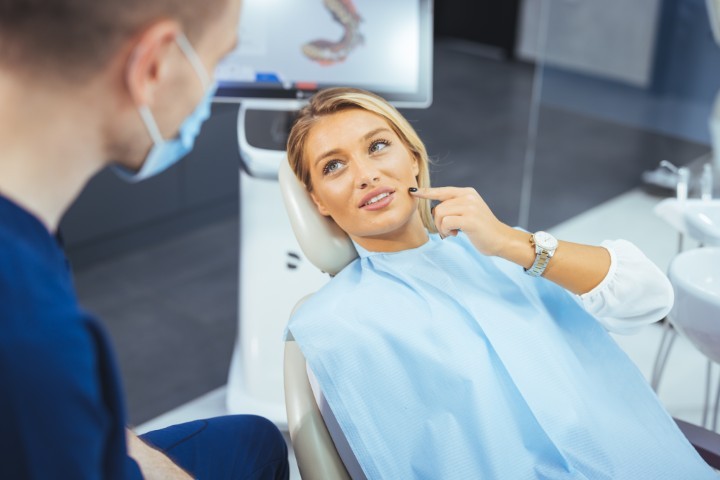
For many years, oral health was often viewed as something separate from overall health. Patients would visit the dentist for cleanings, fillings, or cosmetic procedures without realizing that what happens in the mouth can influence the rest of the body. Today, both dental professionals and medical researchers increasingly recognize that oral health is closely connected to overall wellness. The mouth is not an isolated system; it is a gateway to the body, and the health of the oral environment can play an important role in systemic health. The mouth contains a diverse community of bacteria. While many of these microorganisms are beneficial and contribute to a balanced oral ecosystem, others can cause disease when they grow out of control. When harmful bacteria accumulate, they can lead to conditions such as gum disease or tooth decay. If these issues remain untreated, the bacteria and the inflammation they cause may enter the bloodstream and affect other areas of the body. One of the most well-studied connections between oral health and systemic health involves the relationship between gum disease and cardiovascular conditions. Gum disease is characterized by chronic inflammation of the tissues that support the teeth. Research suggests that this inflammation may contribute to inflammation in blood vessels, potentially increasing the risk of heart disease. While oral health alone does not cause cardiovascular disease, maintaining healthy gums may play a role in reducing overall inflammatory burden in the body. Another area of growing interest is the relationship between oral health and diabetes. Individuals living with diabetes often have a higher risk of developing gum disease, and gum disease can make blood sugar levels more difficult to control. This creates a two-way relationship in which oral health and metabolic health influence each other. By maintaining healthy gums and teeth, patients with diabetes may find it easier to manage their condition. Pregnancy is another time when oral health becomes especially important. Hormonal changes during pregnancy can make gums more sensitive and prone to inflammation. Expectant mothers who maintain good oral hygiene and visit the dentist regularly may help reduce the risk of pregnancy-related gum complications. Maintaining oral health during this time also supports overall maternal wellness. Respiratory health has also been linked to oral bacteria. In certain circumstances, harmful bacteria from the mouth can be inhaled into the lungs, potentially contributing to respiratory infections. This is particularly relevant for older adults or individuals with weakened immune systems. Maintaining a healthy oral environment can help reduce the amount of harmful bacteria present. Preventive dental care plays a critical role in protecting both oral and systemic health. Routine dental examinations allow dentists to detect early signs of gum disease, tooth decay, and other oral conditions before they become more serious. Professional cleanings remove plaque buildup that cannot be eliminated through brushing and flossing alone. Daily home care remains the foundation of oral health. Brushing teeth at least twice a day, flossing regularly, and maintaining a balanced diet help keep the oral environment healthy. Drinking plenty of water and limiting sugary snacks can also help reduce the risk of tooth decay. Lifestyle habits also influence oral health. Smoking, for example, significantly increases the risk of gum disease and oral cancer. Tobacco products reduce blood flow to the gums and interfere with the body’s natural healing processes. Quitting smoking can dramatically improve both oral and overall health. Dental professionals today often work in collaboration with other healthcare providers to support patient wellness. Dentists may identify signs of systemic conditions during routine examinations and refer patients for further medical evaluation when necessary. This collaborative approach reflects the growing understanding that oral health is an integral part of comprehensive healthcare. Patients who prioritize oral health are not only protecting their teeth and gums but also supporting their overall wellbeing. By maintaining regular dental visits, practicing good oral hygiene, and adopting healthy lifestyle habits, individuals can contribute to a healthier body as well as a healthier smile. In many ways, oral health serves as a window into overall health. Early signs of systemic conditions sometimes appear in the mouth before symptoms develop elsewhere. Regular dental visits provide an opportunity for early detection and preventive care, helping patients maintain both oral and systemic wellness for years to come.
Why Consistent Dental Care Is One of the Best Investments You Can Make
In busy daily life, it can be tempting to postpone dental visits—especially when there is no pain or obvious problem. However, consistent dental care is one of the most valuable long-term investments a person can make in their health, comfort, and financial well-being. Regular dental visits are not about finding problems; they are about preventing small concerns from becoming large, disruptive ones. Many dental issues develop slowly and silently. Early tooth wear, minor structural changes, and gum irritation often progress without causing noticeable symptoms. By the time discomfort appears, the problem may already require more involved treatment. Consistent dental care allows these changes to be identified early, when solutions are simpler, faster, and less costly. Routine visits provide continuity. Dentists who see patients regularly are able to track changes over time, noticing subtle shifts that would be easy to miss during sporadic appointments. This long-term perspective allows for proactive planning rather than reactive decision-making. Patients benefit from fewer surprises and more predictable care. Dental emergencies are another major reason consistency matters. Sudden pain, infection, or damage often occurs when underlying issues have gone undetected. These situations can disrupt work, family responsibilities, and daily life. Regular monitoring significantly reduces the likelihood of emergencies and the stress that comes with them. From a financial standpoint, consistent dental care is one of the most cost-effective health strategies available. Preventive visits cost far less than restorative treatments required after problems progress. Small investments made regularly help avoid large, unexpected expenses later. Consistency also improves treatment outcomes. When care is ongoing, dentists can plan treatments strategically rather than urgently. This allows patients to make thoughtful decisions, prioritize care appropriately, and avoid rushed procedures driven by pain or infection. There is also a psychological benefit to consistent care. Knowing that oral health is being monitored by a trusted professional provides peace of mind. Patients no longer worry about what might be happening beneath the surface because they know problems will be addressed early if they arise. Consistent dental care supports long-term quality of life. Comfortable teeth, healthy gums, and confidence in one’s smile all contribute to daily well-being. Eating, speaking, and socializing become easier when oral health is stable. Ultimately, consistent dental care is not about perfection—it is about protection. By committing to regular visits and professional guidance, patients invest in comfort, stability, and long-term health. It is one of the simplest ways to reduce stress, save money, and maintain a strong, healthy smile for years to come.
Preventive Dentistry as the Foundation of Lifelong Oral Health
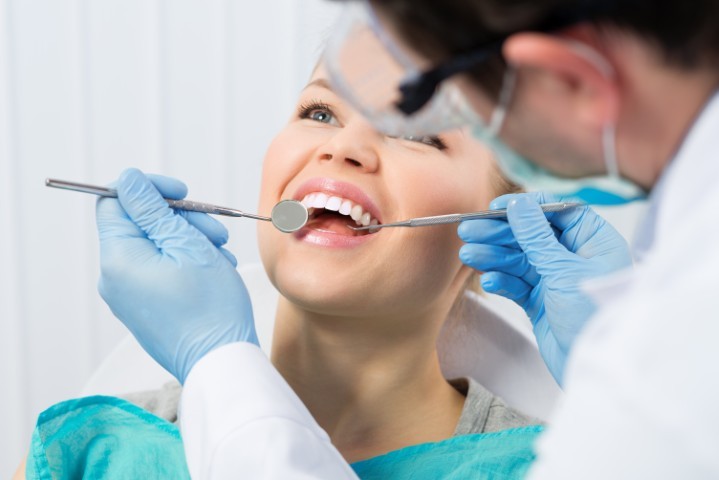
Preventive dentistry is the cornerstone of maintaining a healthy smile and plays a vital role in protecting both oral and overall health throughout every stage of life. While many people associate dental visits with fixing problems such as cavities or broken teeth, the true strength of dentistry lies in prevention. Preventive dental care focuses on stopping issues before they begin, identifying concerns early, and maintaining the stability of the teeth and gums over time. Through routine dental exams, professional cleanings, diagnostic imaging, and patient education, preventive dentistry helps patients avoid discomfort, reduce the need for invasive procedures, and preserve their natural teeth for decades. Routine dental examinations form the backbone of preventive care. During these visits, dentists evaluate the teeth, gums, jaw, bite alignment, and surrounding soft tissues. Many oral health issues develop silently, without pain or obvious symptoms. Tooth decay can progress beneath the surface of enamel, gum disease can advance without discomfort, and oral cancer may develop unnoticed in its early stages. Regular exams allow dentists to detect subtle changes and intervene before problems escalate. Early treatment is typically simpler, less costly, and far more comfortable for the patient than addressing advanced disease. Professional dental cleanings are equally essential in maintaining oral health. Even patients who brush and floss diligently at home cannot remove all plaque and tartar buildup. Over time, plaque hardens into tartar, which can only be removed with professional instruments. Tartar accumulation irritates the gums and creates an environment where harmful bacteria thrive. Dental hygienists carefully remove these deposits, polish the teeth, and help reduce inflammation in the gum tissue. Cleanings also provide an opportunity to reinforce proper oral hygiene habits and identify areas that may need extra attention at home. Gum health is a critical focus of preventive dentistry because the gums support and protect the teeth. Gingivitis, the earliest stage of gum disease, often causes redness, swelling, and bleeding during brushing or flossing. If left untreated, gingivitis can progress into periodontitis, a more severe infection that damages the bone supporting the teeth. Periodontitis is a leading cause of tooth loss in adults, yet it is largely preventable through regular dental visits and proper home care. Preventive dentistry emphasizes early detection and treatment of gum disease to maintain strong, healthy gums and avoid long-term complications. Diagnostic technology plays an important role in preventive care. Digital X-rays allow dentists to see beneath the surface of the teeth and gums, identifying cavities between teeth, bone loss, infections, and impacted teeth. Modern digital imaging provides high-quality detail while minimizing radiation exposure, making it a safe and effective tool for routine monitoring. Early detection through imaging enables targeted treatment and helps prevent emergencies that could disrupt daily life. Patient education is another essential element of preventive dentistry. Dentists and hygienists guide patients on effective brushing and flossing techniques, recommend appropriate oral care products, and discuss how diet impacts oral health. Frequent sugar consumption, acidic foods, and poor hydration can weaken enamel and increase cavity risk. Preventive education empowers patients to make informed choices that protect their teeth outside the dental office. Adults and seniors benefit just as significantly from preventive care. Aging, medications, and systemic health conditions can increase the risk of cavities, gum disease, and dry mouth. Preventive dentistry allows dentists to adjust care plans as patients’ needs evolve, ensuring ongoing protection and stability. Ultimately, preventive dentistry saves time, money, and discomfort while supporting overall wellness. By focusing on early intervention and routine care, dental offices help patients avoid complex treatments and maintain healthy, confident smiles throughout life. Routine dental examinations form the backbone of preventive care. During these visits, dentists evaluate the teeth, gums, jaw, bite alignment, and surrounding soft tissues. Many oral health issues develop silently, without pain or obvious symptoms. Tooth decay can progress beneath the surface of enamel, gum disease can advance without discomfort, and oral cancer may develop unnoticed in its early stages. Regular exams allow dentists to detect subtle changes and intervene before problems escalate. Early treatment is typically simpler, less costly, and far more comfortable for the patient than addressing advanced disease. Professional dental cleanings are equally essential in maintaining oral health. Even patients who brush and floss diligently at home cannot remove all plaque and tartar buildup. Over time, plaque hardens into tartar, which can only be removed with professional instruments. Tartar accumulation irritates the gums and creates an environment where harmful bacteria thrive. Dental hygienists carefully remove these deposits, polish the teeth, and help reduce inflammation in the gum tissue. Cleanings also provide an opportunity to reinforce proper oral hygiene habits and identify areas that may need extra attention at home. Gum health is a critical focus of preventive dentistry because the gums support and protect the teeth. Gingivitis, the earliest stage of gum disease, often causes redness, swelling, and bleeding during brushing or flossing. If left untreated, gingivitis can progress into periodontitis, a more severe infection that damages the bone supporting the teeth. Periodontitis is a leading cause of tooth loss in adults, yet it is largely preventable through regular dental visits and proper home care. Preventive dentistry emphasizes early detection and treatment of gum disease to maintain strong, healthy gums and avoid long-term complications. Diagnostic technology plays an important role in preventive care. Digital X-rays allow dentists to see beneath the surface of the teeth and gums, identifying cavities between teeth, bone loss, infections, and impacted teeth. Modern digital imaging provides high-quality detail while minimizing radiation exposure, making it a safe and effective tool for routine monitoring. Early detection through imaging enables targeted treatment and helps prevent emergencies that could disrupt daily life. Patient education is another essential element of preventive dentistry. Dentists and hygienists guide patients on effective brushing and flossing techniques, recommend appropriate oral care products, and discuss how diet impacts oral health. Frequent sugar consumption, acidic foods, and poor hydration can weaken enamel and increase cavity risk. Preventive education empowers patients to make informed choices that protect their teeth outside the dental
Restorative Dentistry: Bringing Strength, Function, and Confidence Back to Your Smile
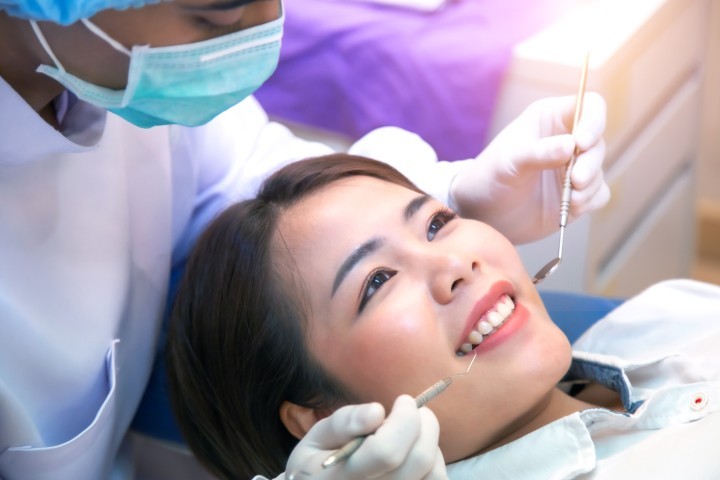
Restorative dentistry is the branch of dental care dedicated to repairing and rebuilding damaged, decayed, or missing teeth. It serves as one of the core services offered by general dentists because even with excellent hygiene, many people experience dental issues at some point in their lives. Whether the problem stems from decay, trauma, wear, or old dental work that needs to be replaced, restorative dentistry provides the solutions needed to bring the smile back to full function and beauty. One of the most common restorative procedures is the dental filling, which repairs teeth affected by cavities. Cavities form when bacteria in the mouth convert sugar into acid that gradually dissolves tooth enamel. If caught early, the dentist removes the decayed portion and fills the tooth with composite resin, a tooth-colored material that blends seamlessly with natural enamel. Modern fillings are durable, aesthetically pleasing, and minimally invasive, preserving as much healthy tooth structure as possible. When decay or damage is more extensive, crowns become necessary. A crown is a full-coverage restoration that acts as a protective cap for a weakened tooth. Crowns are used when a tooth has undergone significant decay, fractures, advanced wear, or root canal treatment. These restorations are custom-designed to match the patient’s natural teeth in shape and color. Materials such as porcelain, zirconia, or porcelain fused to metal provide exceptional strength and longevity. A well-crafted crown restores the tooth’s function, allows the patient to chew comfortably, and protects the underlying structure from further damage. Missing teeth present a different set of challenges, affecting everything from chewing and speech to facial appearance and self-esteem. Restorative dentistry offers several solutions for replacing missing teeth, including bridges, dentures, and dental implants. Bridges are fixed restorations that rely on the support of adjacent teeth to replace one or more missing teeth. They are custom-designed to mimic the natural appearance of the smile and restore chewing efficiency. Dentures are another option for patients who have lost multiple teeth or even a full arch. Modern dentures are far more comfortable and natural-looking than those of the past. They are crafted to fit the contours of the mouth and enhance facial aesthetics while restoring the ability to eat and speak with confidence. However, one of the most advanced and increasingly popular treatments for missing teeth is dental implants. Implants are titanium posts surgically placed into the jawbone to act as artificial roots. Once healed, they support crowns, bridges, or dentures, providing a stable and long-lasting solution that mimics natural teeth in both function and appearance. Implants help maintain jawbone density and prevent the sunken facial appearance that often accompanies tooth loss. Restorative dentistry also focuses on treating cracked, chipped, or worn teeth. Teeth can become damaged due to trauma, bruxism (teeth grinding), or gradual enamel wear. For minor imperfections, bonding is a quick and effective solution where composite resin is sculpted directly onto the tooth to restore shape and appearance. For more complex cases, veneers or onlays may be recommended to strengthen the tooth and improve aesthetics. These restorations are custom-crafted and bonded with precision to ensure both durability and natural beauty. General dentists also provide root canal therapy as part of restorative care. When the pulp inside a tooth becomes infected or inflamed, it can cause severe pain and eventually lead to tooth loss if left untreated. Root canal therapy removes the infected tissue, cleans the root canals, and seals the space to prevent reinfection. The tooth is then restored with a crown, allowing patients to keep their natural teeth whenever possible. Restorative dentistry enhances more than just oral function—it boosts confidence as well. Patients who undergo restorative treatment often feel more comfortable smiling, speaking, and interacting socially. A healthy, complete smile contributes to emotional well-being and self-esteem, which is why restorative dentistry is considered a vital part of comprehensive dental care. Ultimately, restorative dentistry plays a key role in preserving natural teeth, maintaining oral health, and improving quality of life. Through personalized treatment plans and advanced materials, general dentists help patients overcome dental problems and enjoy strong, functional, and beautiful smiles for years to come.
How Cosmetic Dentistry Can Transform Your Smile
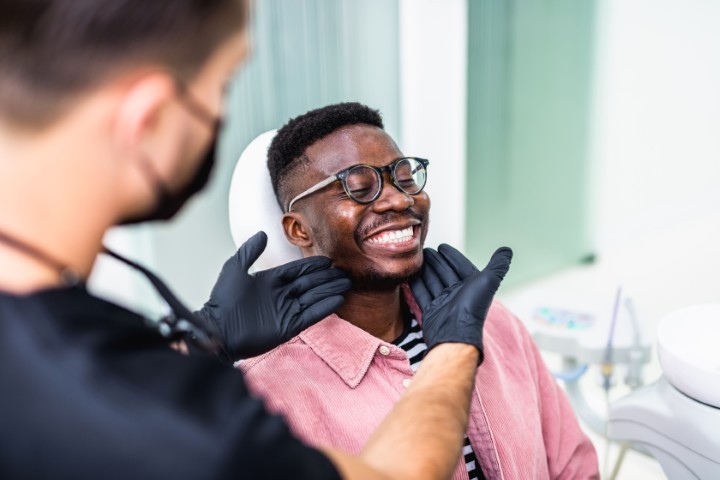
Cosmetic dentistry has revolutionized the way people view dental care by focusing on both the health and beauty of the smile. Many patients seek out cosmetic treatments not just to look better but to feel more confident in their personal and professional lives. Whether it’s whitening teeth stained by coffee and wine, closing small gaps, or restoring worn enamel, modern cosmetic dentistry combines precision, technology, and artistry to create natural, life-changing results. Your smile is often the first thing people notice, and having one that makes you proud can change the way you interact with the world. The process of transforming a smile begins with a comprehensive consultation. During this stage, your dentist will evaluate your teeth, gums, and facial features to develop a personalized plan. Digital imaging and 3D modeling now allow you to preview potential results before beginning treatment. Common procedures include teeth whitening, veneers, bonding, and Invisalign aligners. Veneers can completely reshape and refine the look of your teeth, giving you a brighter, straighter, and more balanced appearance, while Invisalign gently moves teeth into alignment without the need for metal brackets. Every treatment is tailored to enhance your individual features and create harmony between your teeth, lips, and facial structure. What makes cosmetic dentistry truly transformative is that it often improves function in addition to aesthetics. Correcting alignment can relieve bite pressure, reduce tooth wear, and alleviate jaw discomfort. Restoring chipped or cracked teeth can strengthen their structure, preventing further damage. In many cases, cosmetic treatments can also make it easier to maintain good oral hygiene because smoother, properly aligned teeth are simpler to clean. The psychological benefits are equally profound: patients who invest in their smiles often report higher self-esteem, greater motivation to maintain oral health, and a renewed sense of self-assurance. A beautiful smile is more than just a physical feature—it’s an expression of confidence and vitality. Whether you’re preparing for a big event, reentering the workforce, or simply ready to feel better about your appearance, cosmetic dentistry provides solutions that are both effective and long-lasting. Working closely with your dentist ensures that your results look natural and complement your personality, leaving you with a smile that feels like your best self.
The Power of Cosmetic Dentistry in Transforming Smiles
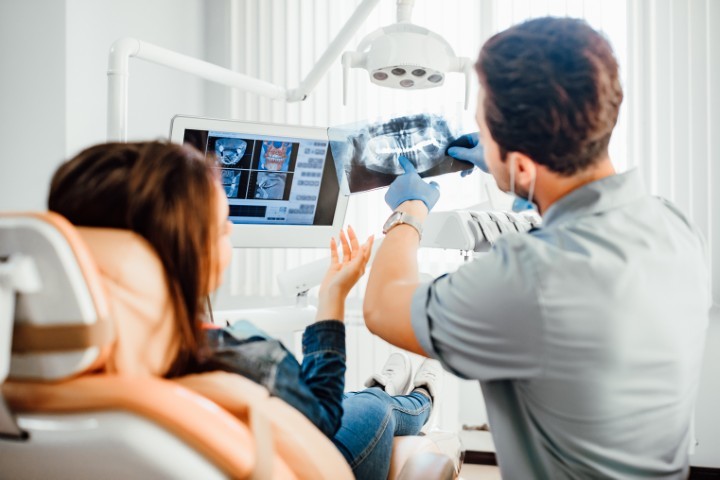
When it comes to keeping your teeth and gums healthy, preventive dentistry is the foundation of everything a dental office does. It’s about more than just cleanings or checkups — it’s a philosophy that focuses on protecting your smile before problems ever have a chance to start. A healthy mouth contributes to your confidence, your overall health, and even how you feel each day. By making regular dental visits and at-home care a priority, you’re investing in a lifetime of comfort, wellness, and confidence. Preventive dentistry begins with regular checkups, typically every six months. During these visits, your dental team takes a comprehensive look at your oral health, identifying early signs of potential issues such as cavities, gum inflammation, enamel wear, or bite irregularities. These exams often include digital X-rays, which allow your dentist to see what’s happening beneath the surface—inside teeth and along the jawbone—catching problems that might not yet be visible or causing pain. This early detection is one of the most valuable benefits of preventive care, as it allows for small, conservative treatments before conditions worsen into something more serious or costly. Professional cleanings are another essential component of preventive care. Even with excellent brushing and flossing habits, plaque and tartar can still accumulate in hard-to-reach places. Over time, these deposits can lead to gum disease, bad breath, and even tooth loss if not removed. During your cleaning, your dental hygienist uses specialized tools to remove plaque and tartar safely, polish your teeth to prevent future buildup, and offer guidance on how to care for your smile at home more effectively. Many patients leave their appointments feeling refreshed, with teeth that look and feel smoother and brighter. Preventive dentistry isn’t just about what happens in the dental office—it’s also about the habits you build at home. Daily brushing with fluoride toothpaste and consistent flossing help reduce plaque formation and protect enamel from decay. Dentists often provide personalized recommendations for toothbrush types, toothpaste formulas, and techniques to target specific problem areas. In addition, patients who are prone to cavities or gum sensitivity can benefit from special rinses, fluoride treatments, or dental sealants. Sealants are particularly valuable for children and teenagers, as they create a barrier on the chewing surfaces of molars where bacteria tend to settle. An often-overlooked aspect of preventive dentistry is how closely oral health is tied to overall health. Studies have shown that gum disease, when left untreated, is linked to heart disease, diabetes, stroke, and certain respiratory conditions. Inflammation in the mouth can trigger inflammation elsewhere in the body, making oral hygiene a key factor in whole-body wellness. This means your dental visits are not only protecting your smile—they’re also supporting your long-term health and longevity. A confident smile has the power to transform your life. It can change how you see yourself, how others perceive you, and how you express joy. For many people, however, dental imperfections such as discoloration, gaps, chips, or uneven teeth can hold them back from smiling freely. Cosmetic dentistry bridges that gap between how your smile looks and how you want it to look, blending artistry with science to deliver results that are as natural as they are stunning. Cosmetic dentistry encompasses a wide range of treatments designed to enhance the appearance of your teeth while maintaining or even improving their health. One of the most popular treatments is professional teeth whitening. Over time, our teeth naturally darken due to aging, diet, and lifestyle habits such as drinking coffee, tea, or wine. Professional whitening treatments performed in a dental office are far more effective and safer than store-bought alternatives. They use high-quality whitening agents that remove deep-set stains without damaging enamel, and results can often be seen after just one session. Dentists also offer take-home whitening trays custom-fitted to your mouth, providing professional-grade results with the convenience of at-home use. Another transformative cosmetic option is the use of porcelain veneers. Veneers are thin, handcrafted shells that are bonded to the front of teeth, instantly concealing imperfections like chips, gaps, misalignment, and stubborn discoloration. Each veneer is custom-made to match the shape, size, and shade of your natural teeth, resulting in a seamless and realistic appearance. For patients seeking a complete smile makeover, veneers can provide dramatic yet natural-looking results, giving them a smile they never thought possible. Cosmetic bonding offers a simpler and more affordable alternative for those with minor imperfections. Using a tooth-colored resin, your dentist can sculpt and shape the material directly onto your teeth to correct chips, cracks, or small gaps. The procedure is painless, quick, and can often be completed in a single appointment. For many patients, this small enhancement makes an enormous difference in their confidence and how they feel about their smile. Orthodontic solutions have also evolved to include more aesthetic options than traditional metal braces. Clear aligners, such as Invisalign, allow patients to straighten their teeth discreetly using a series of removable trays that gradually shift teeth into proper alignment. This treatment not only improves appearance but also supports better oral health, as straight teeth are easier to clean and less prone to decay or gum disease. Cosmetic dentistry goes beyond aesthetics—it can also have profound functional benefits. For instance, reshaping worn teeth or replacing missing ones can restore balance to your bite, relieve jaw tension, and even improve speech. Dental implants, which are often considered both restorative and cosmetic, provide a permanent solution for missing teeth that looks and feels completely natural. They preserve bone structure, prevent shifting of surrounding teeth, and provide the confidence that comes from having a complete smile. Every cosmetic treatment begins with a detailed consultation. Your dentist will evaluate your oral health, discuss your goals, and develop a treatment plan tailored to your unique needs. This personalized approach ensures that results not only look beautiful but also harmonize with your facial features and natural bite. Advances in dental technology allow for digital imaging and mock-ups, so you can preview your potential results before treatment
Unlocking Convenience: Why Saturday Dental Appointments Are Transformative
For many Austinites, juggling work schedules, family obligations, and personal well-being often leaves little room for unexpected errands—even when it comes to essential health care. In our increasingly fast-paced world, the idea of setting aside time for routine or even complex dental procedures can seem like a luxury reserved only for those with ample free hours. Yet, the evolving needs of modern patients have made accessibility more than a mere convenience—it has become an integral part of comprehensive oral healthcare. Recognizing this shift in priorities, we’ve reimagined how dental care is delivered. Our Saturday appointments are crafted to ensure that no aspect of our services is compromised by timing. Whether you’re looking for a routine cleaning or advanced cosmetic work, our commitment remains the same: providing top-tier treatment regardless of the day. We understand that life’s demands rarely pause on weekends, which is why we’ve dedicated ourselves to meeting patients’ needs when it matters most. More than just an extra hour on the schedule, weekend appointments reflect a broader evolution in patient expectations and professional care standards. They stand as a testament to our proactive approach—balancing tradition with modern demands—to ensure that every visit is both effective and seamlessly integrated into your life’s rhythm. By offering these flexible options, we’re not only meeting current needs but also shaping the future of accessible dental care. Redefining Accessibility in Dentistry In an era where time is often our most precious commodity, Saturday appointments represent a significant leap forward in making quality dental services more accessible. For many Austin residents, weekday hours can be challenging to navigate due to work commitments or family responsibilities. This reality underscores the importance of weekend availability and how it transforms routine care into something more attainable. Saturday visits are designed with your schedule in mind—ensuring that maintaining optimal oral health doesn’t have to disrupt your daily routines. Whether you’re a professional balancing multiple projects or a parent coordinating family activities, these flexible hours provide an essential solution for staying on top of dental needs without sacrificing other commitments. In addition to the convenience they offer, Saturday appointments also play a crucial role in promoting preventive care. Regular check-ups and cleanings are fundamental aspects of oral health maintenance, helping to catch potential issues early before they escalate into more significant problems. By offering these services on weekends, we encourage patients to prioritize their dental wellness without compromising other important aspects of life. Comprehensive Care Any Day of the Week The range of services available during Saturday hours at Lady Bird Dental is extensive and designed to cater to a variety of dental needs. From routine cleanings and examinations to advanced cosmetic procedures, our weekend schedule ensures that patients can receive comprehensive care without compromising on quality or effectiveness. Routine dental check-ups are essential for maintaining oral health, and Saturday appointments make it easier than ever to stay on top of these visits. Our skilled professionals provide thorough examinations, detailed cleanings, and preventive treatments designed to keep your teeth and gums in optimal condition. Additionally, our advanced diagnostic tools allow us to detect any issues early, ensuring timely intervention when necessary. For those seeking cosmetic enhancements or restorative work, Saturday hours offer the same high level of expertise and attention to detail as any other day. Whether you’re interested in teeth whitening for a brighter smile or need more complex procedures like crowns or bridges, our team is equipped to handle all aspects of your dental care with precision and care. The Evolution of Weekend Dentistry The concept of weekend dentistry has evolved significantly over the years, driven by changing patient needs and expectations. As lifestyles become more hectic and schedules increasingly packed, traditional weekday appointments often fall short in meeting the demands of modern life. Recognizing this shift, dental practices have adapted their hours to offer greater flexibility. Historically, dental care was primarily available during standard business hours, making it difficult for many patients to find time for regular check-ups or necessary procedures. However, as awareness about oral health has grown and the importance of preventive care has become more widely recognized, so too have the expectations around accessibility. In response to these evolving needs, practices like Lady Bird Dental have embraced weekend appointments as a way to provide more convenient options for patients. By extending our availability into Saturdays, we’re not only addressing current demands but also anticipating future trends in oral healthcare delivery—ensuring that top-quality treatment remains accessible and adaptable. Why Your Smile Deserves Flexibility The benefits of flexible scheduling extend far beyond mere convenience. Regular dental visits are crucial for maintaining overall health, as oral issues can often indicate broader systemic problems. By offering Saturday appointments, we empower patients to take control of their wellness without sacrificing other important aspects of life. Weekend availability ensures that you don’t have to choose between your job responsibilities and keeping up with dental care. It allows parents to schedule appointments around family activities rather than disrupting school schedules or work commitments. For professionals, it means not having to take time off during busy workweeks—enabling a seamless balance between personal health and career demands. Flexible scheduling fosters a proactive approach to oral healthcare. By making regular check-ups more accessible, we encourage patients to stay on top of their dental wellness without the stress of rearranging busy schedules. This preventive mindset helps catch potential issues early, leading to better long-term outcomes and overall satisfaction with treatment. Ensuring Quality Care Every Visit One common concern among patients considering weekend appointments is whether they’ll receive the same level of care as during weekday visits. At Lady Bird Dental, we understand these apprehensions and are committed to addressing them head-on. Our Saturday hours feature the same highly skilled professionals and state-of-the-art technology that you’d expect on any other day. Our team of experts is dedicated to providing exceptional treatment regardless of the appointment time. From detailed examinations to precise procedures, every visit benefits from our commitment to excellence. Advanced diagnostic tools, comfortable
Restorative Dentistry: Fillings, Crowns, and Bridges Explained
Every smile tells a story, but sometimes life leaves its mark in the form of cavities, cracks, or missing teeth. Restorative dentistry exists to repair those issues, bringing back function and beauty while preventing future complications. For many patients, restorative dentistry is the bridge between discomfort and renewed confidence. Among the most common treatments are fillings, crowns, and bridges, each of which serves a unique purpose in rebuilding a healthy smile. Dental fillings are often the first step in restorative care. When a cavity develops, the decayed portion of the tooth must be removed to stop the spread of bacteria. A filling replaces this lost tooth structure, restoring strength and stability. Today, patients can choose from several filling materials, including composite resin, which blends seamlessly with natural teeth. This means patients can protect their oral health without compromising their smile’s appearance. Fillings are a straightforward treatment, but their impact is profound—they stop decay in its tracks and help maintain natural teeth for years to come. Crowns take restorative care a step further. A dental crown is essentially a cap that fits over a damaged or weakened tooth, protecting it from further harm. Crowns are often recommended after a root canal, a large filling, or when a tooth is cracked. By covering the tooth entirely, a crown restores both function and appearance. Modern crowns are made from durable, natural-looking materials such as porcelain or ceramic, offering strength and beauty in equal measure. With proper care, crowns can last many years, allowing patients to chew, speak, and smile without hesitation. Bridges come into play when a patient has one or more missing teeth. A dental bridge literally bridges the gap by anchoring artificial teeth to healthy teeth on either side. This not only restores the smile’s appearance but also prevents shifting of surrounding teeth, which can lead to bite problems and jaw discomfort. Bridges are custom-made to blend with the patient’s natural smile, offering both stability and aesthetics. For those who aren’t ready for dental implants, bridges provide an effective and lasting solution. Restorative dentistry isn’t just about repairing damage—it’s about restoring quality of life. Missing or damaged teeth can make everyday activities like chewing or speaking more difficult. They can also affect self-esteem, making people hesitant to smile in social or professional settings. By addressing these issues with fillings, crowns, and bridges, a dental office helps patients regain both function and confidence. What makes restorative care especially valuable is its ability to prevent future problems. A filling prevents a cavity from spreading. A crown shields a weakened tooth from breaking. A bridge keeps teeth aligned and preserves bite function. Each treatment is a step toward maintaining overall oral health, ensuring that one problem doesn’t spiral into many. Dentists take pride in tailoring restorative treatments to each patient’s needs. Through careful examination, imaging, and discussion, they recommend solutions that balance durability, appearance, and cost. Patients are guided through every step of the process, so they feel confident in their decisions and outcomes. At its heart, restorative dentistry is about second chances. It allows patients to overcome setbacks and move forward with smiles that look and feel natural. Whether through a simple filling or a custom-made bridge, restorative dentistry empowers patients to reclaim their oral health and live without limits.